Best Way to Remove Skin Tags: A Comprehensive Guide
Introduction
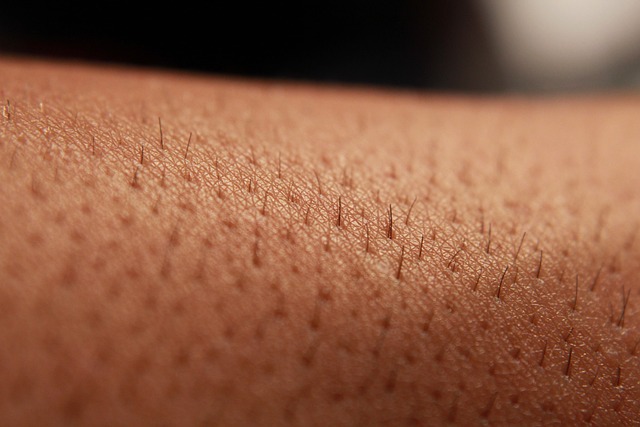
Skin tags, medically known as acrochordons, are small, soft pieces of skin that hang from the body's surface, often appearing as small tags or balls. While they are generally harmless, many individuals seek ways to remove them due to aesthetic concerns or discomfort. This article delves into the best methods for skin tag removal, exploring various techniques, their effectiveness, and the factors influencing their choice. By the end, readers will have a comprehensive understanding of how to tackle these common skin concerns.
Understanding Best Way to Remove Skin Tags
Definition and Core Components
The "best way" to remove skin tags refers to a range of methods employed to eliminate or reduce these small skin growths. It involves a combination of surgical, medical, and non-invasive procedures, each with its own set of advantages and considerations. Key components include:
- Surgical Excision: Involves cutting off the skin tag with a scalpel under local anesthesia.
- Cryotherapy: Freezing the skin tag using liquid nitrogen to destroy the tissue.
- Laser Treatment: Using lasers to burn or vaporize the skin tag.
- Non-Surgical Treatments: Including over-the-counter creams and topical solutions that aim to soften and remove tags gradually.
Historical Context and Significance
Skin tag removal has been a concern for centuries, with ancient cultures employing various natural remedies. Modern approaches have evolved significantly, offering safer and more effective options. Today, the best method is determined by individual preferences, medical advice, and the size, location, and number of skin tags.
Global Impact and Trends
The demand for skin tag removal services varies globally, influenced by cultural norms, cosmetic trends, and healthcare accessibility.
Regional Variations:
- North America and Europe: Known for advanced healthcare systems, these regions offer a wide range of treatment options, with surgical excision and cryotherapy being the most popular.
- Asia Pacific: Traditional remedies coexist with modern techniques, while growing disposable incomes drive demand for cosmetic procedures.
- Latin America and Middle East: Focus on affordable, accessible care often leads to variations in treatment preferences.
Key Trends:
- Growing Popularity of Non-Invasive Methods: Increasing preference for quick, painless procedures without scarring.
- At-Home Treatments: Over-the-counter options gaining traction due to convenience and cost-effectiveness.
- Personalized Medicine: Tailoring treatments to individual needs based on skin type and tag characteristics.
Economic Considerations
The economic landscape of skin tag removal is shaped by market dynamics, investment, and healthcare spending.
Market Analysis:
- Global Market Size: Estimated at USD 4.5 billion in 2021, with a projected CAGR of 7% from 2022 to 2030 (Grand View Research).
- Regional Growth: North America dominates, but Asia Pacific is expected to grow fastest due to rising disposable incomes and urbanization.
Investment Patterns:
- Clinical Settings: Private clinics and dermatology practices offer various removal procedures, attracting investments for equipment and staff training.
- Cosmetic Companies: Businesses focusing on over-the-counter products invest in research and development of effective, gentle formulations.
Impact on Economic Systems:
- Revenue Generation: Removal services contribute to the healthcare sector's revenue, while product sales drive economic activity in retail and manufacturing.
- Job Creation: Clinics and cosmetic companies employ specialists, technicians, and customer support staff, contributing to employment rates.
Technological Advancements
Technological innovations have revolutionized skin tag removal, enhancing precision, safety, and accessibility.
Key Developments:
- Advanced Lasers: Newer laser technologies, such as CO2 lasers and Erbium lasers, offer precise removal with minimal scarring.
- Microneedling with PRP: Combining microneedling with platelet-rich plasma (PRP) stimulates collagen production for improved results.
- Telemedicine: Enables remote consultations and treatment planning, making specialized care more accessible.
Impact and Future Potential:
- Improved Accuracy: Advanced lasers allow for targeted destruction of skin tags while preserving surrounding skin.
- Enhanced Patient Experience: Telemedicine and at-home treatments cater to modern lifestyles, convenience, and privacy preferences.
- Personalized Medicine: Technological advancements enable tailored treatments based on genetic and skin analysis.
Policy and Regulation
Regulatory frameworks govern the safety and accessibility of skin tag removal services, ensuring consumer protection and ethical practices.
Key Policies:
- Medical Device Approval: Regulatory bodies like FDA (US) and EMA (Europe) approve medical devices used for skin tag removal, setting safety standards.
- Licensing and Certification: Professionals performing surgical excision or cryotherapy must obtain licenses and certifications to practice legally.
- Pricing and Insurance Coverage: Policies vary by region, influencing patient accessibility and out-of-pocket expenses.
Ethical Considerations:
- Informed Consent: Patients should be fully informed about procedures, risks, and alternatives to make educated decisions.
- Privacy and Data Protection: Handling sensitive medical information requires robust security measures.
Factors Influencing Choice
Several factors guide individuals in selecting the best skin tag removal method for them:
- Size and Number of Tags: Smaller tags may be suitable for at-home treatments, while larger or numerous tags often require professional intervention.
- Location: Face and neck tags might demand more precise techniques to avoid scarring, while tags on other areas may be easier to treat.
- Budget and Convenience: Over-the-counter options are cost-effective, while clinical procedures may offer faster results but higher expenses.
- Personal Preferences: Some prefer natural remedies, while others seek quick fixes or long-lasting solutions.
- Medical Advice: Dermatologists' recommendations play a crucial role in guiding patients toward safe and effective treatments.
Popular Removal Methods Compared
Surgical Excision vs. Cryotherapy:
- Surgical Excision: Offers immediate removal with minimal scarring but involves a brief procedure under local anesthesia.
- Cryotherapy: Freezes and destroys tags, causing temporary redness/swelling but no scars. Follow-up treatments may be needed for larger tags.
Laser Treatment vs. Non-Surgical Methods:
- Laser Treatment: Provides precise results with minimal downtime, ideal for targeted areas. Multiple sessions are often required.
- Non-Surgical Treatments: Gradual removal, suitable for sensitive skin or those avoiding needles. May take weeks to months for complete disappearance.
Tips for Effective Removal and Prevention
Before Treatment:
- Consult a Professional: Dermatologists can advise on the best method based on individual needs.
- Avoid Sun Exposure: Protect treated areas from sunlight to prevent hyperpigmentation.
- Hygiene: Keep skin clean and dry before and after treatment.
After Treatment:
- Follow Post-Care Instructions: Depending on the method, this may include applying cool compresses, using mild cleansers, or avoiding certain activities.
- Monitor Healing: Contact a healthcare provider if complications arise, such as infection or excessive scarring.
- Prevent Recurrence: Maintain healthy skin by moisturizing, protecting from sun damage, and managing underlying medical conditions.
Conclusion
The best way to remove skin tags is a personalized choice, considering various factors. Advances in technology and an array of treatment options allow individuals to take control of their cosmetic concerns. While some prefer natural remedies, others seek professional interventions for quicker results. Regardless of the method chosen, understanding the process, following medical advice, and maintaining good skin care practices are essential for optimal outcomes and preventing recurrence.
April 2, 2025
Best way to remove skin tags
Skin tags, common growths on neck, armpits, or groin, can be effectively and painlessly removed thro.......
Read more →
April 2, 2025
Best way to remove skin tags
Skin tags, caused by friction, weight gain, or hormonal shifts, are soft growths appearing in contac.......
Read more →
April 2, 2025
Best way to remove skin tags
Removing skin tags safely requires personalized methods tailored to skin type, size, and location. T.......
Read more →
April 1, 2025
Best way to remove skin tags
Electrocautery is recognized as the best way to remove skin tags due to its safety, effectiveness, a.......
Read more →
April 1, 2025
Best way to remove skin tags
Skin tags, benign growths, vary in size and cause. Professional removal methods, from surgical excis.......
Read more →
April 1, 2025
Best way to remove skin tags
Skin tags, harmless growths caused by excess collagen, are common but unsightly. Traditional removal.......
Read more →
March 31, 2025
Best way to remove skin tags
Skin tags, though harmless, often worry people due to their appearance. The best way to remove them.......
Read more →
March 31, 2025
Best way to remove skin tags
The best approach to removing skin tags depends on their size, location, and individual skin types........
Read more →
March 31, 2025
Best way to remove skin tags
Skin tags, harmless growths commonly appearing on the neck, armpits, and groin, can be removed for c.......
Read more →
March 30, 2025
Best way to remove skin tags
Skin tags, harmless but often removed for cosmetic reasons, are small growths caused by friction. Pr.......
Read more →
March 30, 2025
Best way to remove skin tags
Skin tags, caused by friction, genetics, or hormonal changes, can be removed at home or professional.......
Read more →
March 30, 2025
Best way to remove skin tags
Skin tags, caused by various factors, can be removed through several methods, each with pros and con.......
Read more →
March 29, 2025
Best way to remove skin tags
Skin tags, harmless protein clusters on sensitive areas like neck, armpits, and groin, require speci.......
Read more →
March 29, 2025
Best way to remove skin tags
Skin tags, harmless but bothersome growths caused by excess skin tissue, can be removed through vari.......
Read more →
March 29, 2025
Best way to remove skin tags
Skin tags, harmless yet cosmetically bothersome growths, can be effectively removed via electrocaute.......
Read more →
March 28, 2025
Best way to remove skin tags
Skin tags, harmless but embarrassing for many, can be removed through various methods. Conventional.......
Read more →
March 28, 2025
Best way to remove skin tags
Skin tags, caused by friction or pressure from clothing or jewelry, can be safely and effectively re.......
Read more →
March 28, 2025
Best way to remove skin tags
Prioritizing safety and hygiene is crucial when removing skin tags. Over-the-counter remedies may co.......
Read more →
March 27, 2025
Best way to remove skin tags
Skin tags, harmless growths caused by friction, trauma, or genetics, can be removed safely and effec.......
Read more →
March 27, 2025
Best way to remove skin tags
Skin tags, harmless but unsightly growths, can be removed using various methods. Traditional options.......
Read more →
March 27, 2025
Best way to remove skin tags
Skin tags, harmless growths common on neck, armpits, and groin, can be removed for cosmetic reasons........
Read more →
March 20, 2025
Best way to remove skin tags
Skin tags, though often harmless, may be removed for cosmetic reasons or if they become irritated, i.......
Read more →
March 20, 2025
Best way to remove skin tags
model 'aya-expanse' not foundRemoving skin tags at home is a popular choice for those seek.......
Read more →
March 20, 2025
Best way to remove skin tags
Considering professional skin tag removal? Skin tags, those small, soft appendages that can appear a.......
Read more →
March 20, 2025
Best way to remove skin tags
Skin tags, caused by friction, hormonal changes, or genetics, can be removed using cryosurgery, a no.......
Read more →
March 20, 2025
Best way to remove skin tags
Skin tags, while harmless, can be cosmetically bothersome. Their removal methods range from at-home.......
Read more →
March 20, 2025
Best way to remove skin tags
Skin tags, harmless but often removed for cosmetic reasons, are best handled by professional medical.......
Read more →
March 20, 2025
Best way to remove skin tags
Skin tags, caused by friction, vary in type and can be removed naturally at home using gentle treatm.......
Read more →
March 18, 2025
Best way to remove skin tags
Skin tags, those small, soft bumps that can appear anywhere on your body, are a common concern. Whil.......
Read more →
March 18, 2025
Best way to remove skin tags
Skin tags, caused by friction, genetics, or skin conditions, can be safely removed for cosmetic reas.......
Read more →
March 18, 2025
Best way to remove skin tags
Tired of unsightly skin tags? Discover quick and easy solutions for their removal, from home remedie.......
Read more →
March 18, 2025
Best way to remove skin tags
Skin tags, common benign bumps in skin folds, can be removed for cosmetic reasons. Laser skin tag re.......
Read more →
March 18, 2025
Best way to remove skin tags
The best way to remove skin tags is through professional procedures like cryosurgery, excision, or c.......
Read more →
March 18, 2025
Best way to remove skin tags
Electrocautery is recognized as the best way to remove skin tags due to its immediate, painless, and.......
Read more →
March 18, 2025
Best way to remove skin tags
The best way to remove skin tags varies based on severity and appearance. For minor tags, at-home tr.......
Read more →
March 18, 2025
Best way to remove skin tags
"Uncover the best way to remove skin tags with expert care. This comprehensive guide explores the ca.......
Read more →
March 17, 2025
Best way to remove skin tags
Skin tags, caused by friction or irritation, are more common in overweight individuals with skin con.......
Read more →
March 17, 2025
Best way to remove skin tags
Skin tags, ranging from small to larger verrucous types, commonly develop in areas of friction. Whil.......
Read more →
March 17, 2025
Best way to remove skin tags
Skin tags, harmless but unsightly bumps, can be removed at home safely and effectively using OTC med.......
Read more →
March 17, 2025
Best way to remove skin tags
Skin tags, though harmless, can be unsightly. The 'best' removal method varies based on si.......
Read more →
March 17, 2025
Best way to remove skin tags
Skin tags, caused by genetics or friction, require professional removal from sensitive areas like fa.......
Read more →
March 16, 2025
Best way to remove skin tags
Skin tags, harmless but cosmetically concerning growths, can be effectively removed using non-surgic.......
Read more →
March 16, 2025
Best way to remove skin tags
Skin tags, harmless growths common in certain areas, have various causes. OTC treatments, using ingr.......
Read more →
March 16, 2025
Best way to remove skin tags
Looking for the best way to remove skin tags naturally? This comprehensive guide explores gentle, ef.......
Read more →
March 16, 2025
Best way to remove skin tags
Skin tags, caused by excess collagen, require tailored removal methods based on their type (papillom.......
Read more →
March 16, 2025
Best way to remove skin tags
The best way to remove skin tags, harmless but unsightly growths caused by friction, varies from at-.......
Read more →
March 16, 2025
Best way to remove skin tags
Skin tags, medically known as acrochordons, are benign growths commonly appearing on the neck, armpi.......
Read more →
March 16, 2025
Best way to remove skin tags
Skin tags, harmless growths on body folds, can be removed permanently using medical procedures like.......
Read more →
March 14, 2025
Best way to remove skin tags
Skin tags, caused by various factors, can be unsightly but harmless. Removal methods range from home.......
Read more →
March 14, 2025
Best way to remove skin tags
Skin tags, caused by collagen clustering, can be unsightly and uncomfortable. Consulting a dermatolo.......
Read more →